





Why Do Mistakes Occur During House Construction?
Building a house is one of the largest investments in life. Despite careful planning, many investors make mistakes that can increase costs, prolong construction deadlines, or compromise the quality of the building.
Most problems arise due to inadequate planning, hiring inexperienced contractors, or trying to save money on key construction elements. Timely recognition of potential mistakes can significantly reduce the risk and ensure a quality and long-lasting building.
Inadequate Budget Planning
One of the most common mistakes is planning a budget without reserve funds. During construction, unforeseen costs often arise related to site preparation, changes to the project, or additional work.
Experts recommend that investors secure a reserve of at least 10 to 20 percent of the total budget to cover unexpected situations without interrupting construction.
Purchasing a Plot Without Thorough Inspection
Many investors buy land first and only later check the construction conditions. This approach can lead to serious problems.
Before purchasing a plot, it is necessary to check:
- Urban planning conditions
- Access road
- Water and electricity connections
- Geological characteristics of the soil
- Possibility of obtaining a building permit
A detailed analysis of the land can prevent significant costs in the future.
Poor Building Design
The project is the foundation of every successful construction project. Mistakes in design can lead to non-functional room layout, increased energy consumption, and expensive subsequent modifications.
When creating a project, it is necessary to take into account:
- Family needs
- Building orientation
- Energy efficiency
- Possibility of future extensions
A quality project saves money during construction and use of the building.
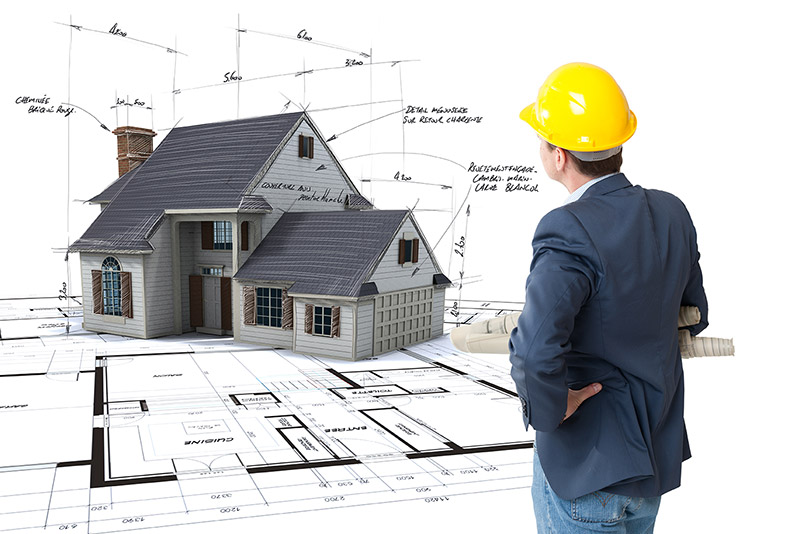
Hiring the Cheapest Contractor
Choosing a contractor solely based on the lowest price often results in poor work quality. Poorly executed construction work can cause serious problems such as wall cracking, roof leakage, or installation issues.
When selecting a contractor, it is necessary to check:
- References and previous projects
- Worker expertise
- Guarantees for the work done
- Deadline for completion
- Company’s business reputation
The quality of the work should always take precedence over the lowest price.
Skimping on Foundations
Foundations are the most important structural element of a house. Mistakes in this phase can lead to building subsidence, cracking, and expensive repairs.
It is essential to:
- Conduct geomechanical soil testing
- Use the prescribed amount of reinforcement
- Install quality concrete
- Ensure adequate waterproofing
Saving money on foundations almost always results in higher costs later on.
Poor Waterproofing
Moisture is one of the biggest enemies of any building. Poorly executed waterproofing can cause:
- Mold growth
- Wall damage
- Floor degradation
- Reduced energy efficiency
Special attention should be paid to waterproofing the foundation, basement, terraces, and flat roofs.
Neglecting Thermal Insulation
Many investors try to reduce costs by using thinner or lower-quality thermal insulation. This decision leads to increased heating and cooling costs throughout the building’s lifetime.
Quality thermal insulation enables:
- Lower energy consumption
- Greater living comfort
- Better building protection
- Higher market value of the property
Poor Installation Planning
Electrical, water, and heating installations must be carefully planned before starting the finishing work.
Common mistakes include:
- Insufficient number of outlets
- Poor lighting layout
- Impractical switch positions
- Inadequate water installations
Subsequent modifications to installations are often expensive and require additional construction work.
Inadequate Supervision of Work
Investors sometimes entrust the entire project to a contractor without regular supervision. Although hiring a professional company is important, regular monitoring allows for timely detection of any irregularities.
It is recommended to:
- Regularly visit the construction site
- Keep a record of the work done
- Check the materials used
- Engage professional supervision when necessary
Neglecting Energy Efficiency
Modern construction requires planning energy-efficient buildings. Investors who neglect this aspect later face high energy bills.
It is essential to pay attention to:
- Quality joinery
- Insulation thickness
- Energy-efficient heating systems
- Solar systems where possible
Conclusion
The most common mistakes when building a house are usually the result of inadequate planning, poor choice of contractors, and attempts to save money on key construction elements. A quality project, professional supervision, and the use of proven materials provide the best protection against expensive problems in the future.
With a proper approach to construction, it is possible to avoid most mistakes, achieve significant savings, and build a safe, functional, and long-lasting home for future generations.