





What are Energy-Efficient Houses?
Energy-efficient houses are objects designed and built to consume a minimal amount of energy for heating, cooling, ventilation, and hot water preparation. The goal of such construction is to reduce energy consumption while maintaining maximum living comfort throughout the year.
Thanks to modern building materials and technologies, energy-efficient houses are becoming increasingly popular in Bosnia and Herzegovina. Investors recognize the long-term benefits of lower maintenance costs and increased property value.
Why are Energy-Efficient Houses Becoming More Popular in BiH?
The rise in energy prices and increased awareness of environmental protection have led to a growing interest in energy efficiency in construction.
The owners of such objects achieve significant savings throughout the life of the house, while also enjoying a more pleasant and healthier living space.
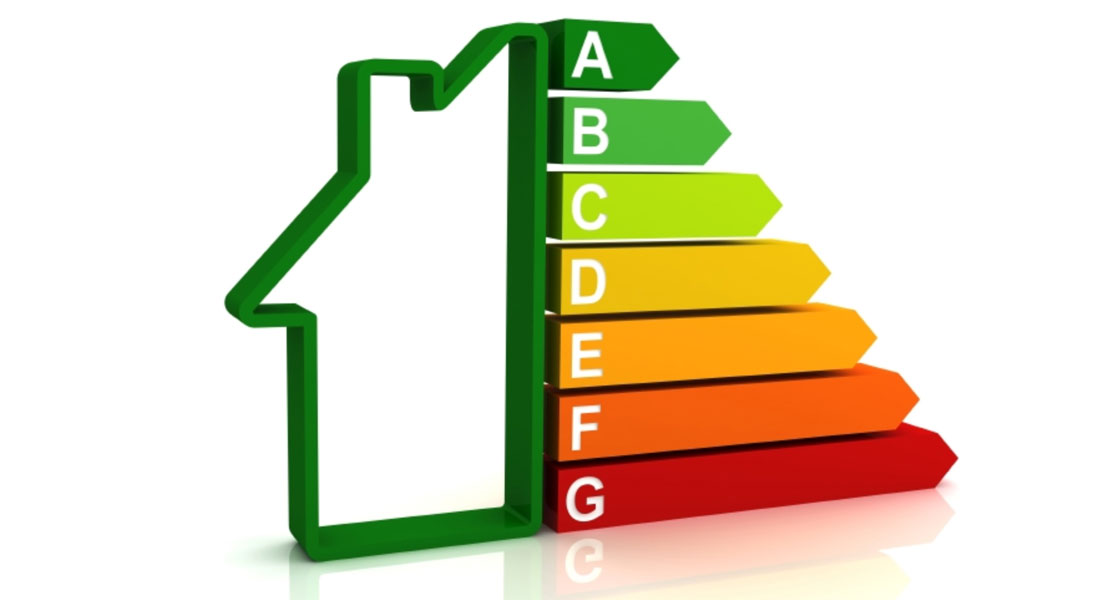
Basic Characteristics of Energy-Efficient Houses
To be energy-efficient, it is necessary to pay attention to several important elements:
- Quality thermal insulation of walls
- Energy-efficient joinery
- Minimal thermal bridges
- Good air tightness of the building
- Efficient heating and cooling system
- Proper orientation of the building
The combination of these factors enables significant reduction of energy losses.
Importance of Thermal Insulation
Thermal insulation is one of the most important elements of energy-efficient construction. Well-insulated walls, roofs, and floors reduce heat losses during winter and overheating during summer.
Properly executed insulation enables lower heating and cooling bills and extends the life of the building.
Energy-Efficient Joinery
Windows and doors have a significant impact on the overall energy consumption of the building. Modern PVC, aluminum, and wooden-aluminum joinery with multi-chamber profiles and triple glazing significantly reduces energy losses.
Quality joinery also improves sound insulation and overall living comfort.
Heating and Cooling Systems
Energy-efficient houses most often use modern heating systems that enable maximum energy utilization.
- Heat pumps
- Floor heating
- Condensing boilers
- Solar systems
- Air recovery systems
Such solutions enable long-term savings and reduce the emission of harmful gases.
Advantages of Energy-Efficient Houses
Lower Energy Costs
The greatest advantage of energy-efficient houses is significantly lower energy consumption throughout the year.
Greater Living Comfort
Stable room temperature and better air quality contribute to greater comfort for all household members.
Increased Property Value
Buildings with better energy characteristics achieve higher market value and are more attractive to potential buyers.
Environmental Protection
Lower energy consumption directly contributes to reducing carbon dioxide emissions and preserving natural resources.
How Much Does it Cost to Build an Energy-Efficient House?
The initial investment may be slightly higher compared to standard construction due to higher-quality materials and advanced systems.
However, the difference in price is usually returned through lower energy bills over the years of using the building.
In the long run, energy-efficient houses represent a more economical and profitable solution.
Most Common Mistakes When Building Energy-Efficient Houses
- Insufficient thermal insulation thickness
- Poorly executed joints and thermal bridges
- Low-quality joinery
- Incorrect building orientation
- Inadequate ventilation system
High-quality design and professional execution are key to achieving the desired energy performance.
Future of Energy-Efficient Construction in BiH
Modern trends show that energy efficiency will become one of the most important standards in the construction industry. More and more investors are deciding to build objects that enable long-term savings and better quality of life.
The development of new materials and technologies will further improve the performance of future residential and commercial buildings.
Conclusion
Energy-efficient houses represent a combination of modern technology, economy, and sustainability. Although the initial investments may be slightly higher, long-term savings and increased comfort make them an excellent choice for future property owners in Bosnia and Herzegovina.
Proper design, quality materials, and professional execution make it possible to build an object that provides maximum energy efficiency and long-term value.