





Why is Project Documentation Missing?
Many property owners who want to initiate the legalization process face the problem of missing project documentation. The reasons can be different – from lost archives and changes in ownership to objects built without complete technical documentation.
Although the lack of documentation can be a challenge, in most cases, there are ways to obtain or create the necessary documents later.
Is Legalization Possible Without the Original Project?
The absence of the original project does not automatically mean that legalization is not possible. Competent institutions often allow the legalization process with the creation of appropriate replacement documentation.
It is necessary to determine which documents the owner possesses and which need to be obtained or created in addition.
Most Common Situations with Missing Documentation
Problems with documentation can arise in different circumstances.
- Lost main project
- Incomplete archival documentation
- Object built without a project
- Unavailable data from older records
- Changes to the object that have not been recorded
Each situation requires an individual approach and appropriate professional assessment.
What Documentation is Most Often Required?
For object legalization, it is usually necessary to collect a certain number of technical and administrative documents.
- Proof of ownership
- Cadastral data
- Geodetic survey of the object
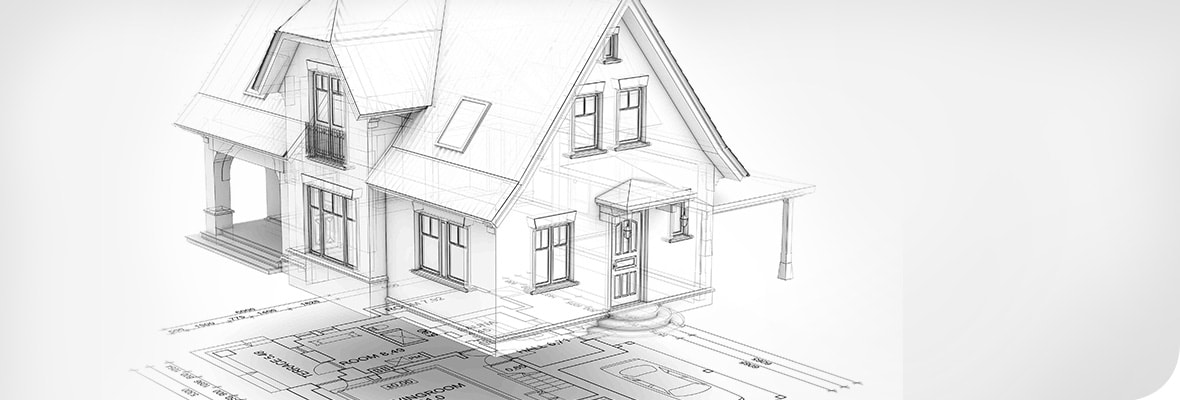
- Project of existing condition
- Other documentation prescribed by the competent authority
Exact requirements may vary depending on the location and applicable regulations.
Creating a Survey of the Existing Condition
When the original project does not exist or is not available, a survey of the existing condition of the object is often created.
This document shows the actual existing state of the building and serves as a basis for further preparation of documentation.
The Role of Geodetic Surveying
A geodetic survey is an important part of the legalization process. It precisely records the position of the object on the parcel and aligns the state with official records.
The accuracy of geodetic data is of great importance for the successful realization of the process.
Project of Existing Condition
In certain cases, it is necessary to create a project of existing condition that shows the actual characteristics of the object.
Such documentation often replaces the missing original project and allows the continuation of the legalization process.
Obtaining Data from Archives
Part of the necessary documentation can sometimes be found in the archives of municipalities, cities, cadastres, or other competent institutions.
Timely checking of existing records can significantly facilitate the process.
The Role of the Designer in the Legalization Process
A professional designer can help in analyzing the existing condition and preparing the technical documentation needed for legalization.
Their experience often contributes to a faster and more efficient resolution of administrative requirements.
Most Common Mistakes of Property Owners
Certain omissions can prolong the duration of the process or lead to additional costs.
- Incomplete documentation
- Inaccurate data about the object
- Lack of alignment between the actual and recorded state
- Delay in obtaining necessary documents
- Insufficient communication with professional personnel
Timely preparation can significantly reduce the likelihood of problems arising.
How to Accelerate the Legalization Process?
The most effective way to accelerate the process is through timely collection of documentation and engagement of a professional team familiar with the procedure.
Good organization and precisely defined steps can significantly shorten the time needed to complete the requirements.
Benefits of Professional Assistance
Legalization often involves technical, geodetic, and administrative activities that require professional knowledge.
By engaging qualified professionals, property owners can avoid numerous errors and increase the likelihood of successfully completing the process.
Conclusion
The absence of project documentation does not have to be an obstacle to object legalization. In many cases, it is possible to create replacement documentation, obtain necessary data, and successfully complete the legalization process.
Proper preparation of documentation, geodetic surveying, and professional support represent key steps that can significantly facilitate the entire process and increase the chances of successful object legalization.