





Why is a Conceptual Project Important?
A conceptual project represents the foundation of every successful construction project. In this phase, the basic concept of the object, room layout, dimensions, appearance, and functional solutions are defined, which will later be elaborated through the main project.
Mistakes made during the creation of a conceptual project often cause additional costs, complications during construction, and investor dissatisfaction after the completion of the object.
Unclearly Defined Investor Needs
One of the most common mistakes is entering the design process without clearly defined needs and priorities.
When an investor does not have a clear idea of the number of rooms, space usage, and future plans, numerous changes occur during the design process.
Focus Exclusively on the Object’s Appearance
Many investors pay the most attention to the external appearance of the house, while the functionality of the space remains in the background.
Although aesthetics play an important role, a quality object must first and foremost meet the daily needs of its users.
Neglecting the Budget
A conceptual project should be aligned with the investor’s available financial resources.
Designing an object that significantly exceeds the planned budget often leads to problems during implementation and the need for subsequent changes.
Too Large Object Size
A common mistake is designing a larger object than necessary.
A larger area implies higher construction, equipment, heating, cooling, and maintenance costs throughout the object’s lifetime.
Poor Room Layout
Incorrect space organization can negatively impact the quality of living and daily functionality of the object.
Well-planned layout enables easier use of space and greater comfort for all users.
Neglecting Future Family Needs
When designing, it is essential to think long-term and anticipate potential changes in life circumstances.
Planning additional rooms or expansion possibilities can be beneficial for future family needs.
Incorrect Object Positioning on the Parcel
The position of the object on the parcel significantly affects the quality of living, room lighting, and yard organization.
Incorrectly positioned objects can limit the functionality of the parcel and increase the costs of arranging the surroundings.
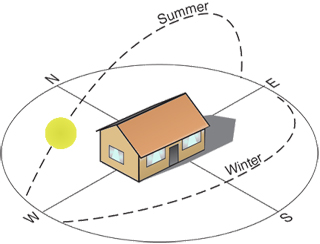
Neglecting Sun Orientation
Natural lighting and energy efficiency directly depend on the correct orientation of the object.
Quality design takes into account the sun’s movement throughout the day to achieve optimal space usage conditions.
Insufficient Collaboration with the Designer
A successful project requires open communication between the investor and designer.
Insufficient information exchange often leads to misunderstandings and solutions that do not meet the actual needs of the users.
Frequent Changes During Design
Constantly changing requirements can prolong the design process and increase the costs of documentation creation.
Therefore, it is essential to define the basic guidelines of the future project as early as possible.
Neglecting Energy Efficiency
Modern objects should be designed with a special emphasis on energy efficiency.
Quality insulation, correct orientation, and rational space organization can significantly reduce future object usage costs.
Insufficient Parcel Analysis
Terrain characteristics, access to the parcel, and the surrounding environment are essential factors to consider before starting the design.
A detailed location analysis enables the creation of higher-quality project solutions.
Lack of Alignment between Wishes and Possibilities
Investors sometimes try to unify a large number of requirements that are not realistically achievable within the available space or budget.
Finding a balance between wishes, functionality, and financial possibilities is the key to successful design.
How to Avoid the Most Common Mistakes?
Thorough preparation before starting the design can significantly reduce the likelihood of problems.
- Define needs and priorities
- Plan a realistic budget
- Analyze parcel characteristics
- Collaborate with a professional designer
- Think about long-term needs
Timely planning enables higher-quality project solutions and more efficient project implementation.
Conclusion
A conceptual project represents one of the most important phases in the construction process, and decisions made during this stage have long-term consequences for the object’s functionality, quality, and costs.
By avoiding the most common mistakes, investors can achieve a better project, manage their budget more rationally, and create a space that will fully meet their needs for many years to come.