





Condominium registration of real estate / house / building / structure is a legal procedure that enables the division of a larger property, such as a residential building, into separate units – condominium units. Each condominium unit becomes an independent legal unit, and the owners of these units acquire ownership rights over their units, while the common parts of the building (such as corridors, staircases, elevators, roofs) remain in the joint ownership of all owners. Condominium registration of real estate / house / building / structure provides advantages in terms of management and sale, and the procedure itself involves certain legal obligations and procedures that must be followed.
In this article, we will explain in detail what condominium registration is, how it is carried out, what its components are, and which legal and practical aspects are related to this procedure.
What is condominium registration of real estate / house / building / structure?
Condominium registration of real estate / house / building / structure is the process of dividing one building (most commonly a residential building or commercial building) into several separate units – condominium units. Each condominium unit represents a separate property that can be privately owned, while the common parts of the building, such as entrances, corridors, roof and common installations, remain in the joint ownership of all condominium owners.
Condominium registration of real estate / house / building / structure enables apartments or commercial units within a building to become legally and functionally separated, and the owners of each unit can freely dispose of their part (sale, inheritance, mortgage and similar). The condominium registration procedure is essential for successful management of buildings where several persons or legal entities share common spaces.
Key terms in condominium registration
Condominium unit: An independent unit that is separated from the rest of the building through condominium registration and becomes a separate legal entity. It can be an apartment, commercial space, garage, or another space within the building.
Common parts of the building: Parts of the building that are not privately owned but are used by all condominium owners. These include staircases, elevators, corridors, common installations (water supply, sewage, electrical installations), roofs, yards and other common areas.
Joint ownership: Exists when several persons or entities own the same building (common parts). Each condominium owner has a share in the joint ownership proportional to the area of their condominium unit.
Easement: Condominium owners may have the right to use common areas (e.g. corridors), while certain rights related to common parts may be limited in relation to their own condominium unit.
How is condominium registration of real estate / house / building / structure carried out?
Condominium registration of real estate / house / building / structure is a complex legal procedure that requires a careful approach and compliance with legal regulations. The condominium registration process includes several steps:
1. Planning and preparation of documentation
The first step in the condominium registration process is the preparation of documentation that will describe the entire building in detail, the division into condominium units and common parts, as well as the owners' shares. The key elements in this part are:
Geodetic survey of the building, which shows the floor plan and vertical sections, and determines the boundaries of condominium units.
Architectural drawing showing how the building is divided, where the condominium units and common parts of the building are located.
Calculation of shares of each condominium owner in the common parts (based on the area of the condominium unit).
2. Registration of condominium ownership in the land registry
In order for condominium registration to become legally binding, it is necessary to register the new division of the property in the land registry after the entire condominium registration procedure has been completed. Each condominium unit becomes a separate entry in the land registry, with clearly defined ownership and a share in the common parts of the building.
In this process, the land registry office receives the documentation and performs the necessary registrations so that each condominium unit receives its own unique number and legal status. For this step, it is necessary to comply with all legal requirements and ensure that the documentation is complete and accurate.
3. Use of the condominium elaboration of real estate / house / building / structure
The condominium elaboration of real estate / house / building / structure is a document that precisely defines all details of condominium registration, including the division of the building into condominium units, the allocation of shares in joint ownership, and the determination of rights to use common parts of the building.
The elaboration of real estate / house / building / structure must be submitted to the land registry and other relevant institutions. The condominium elaboration also serves as a document for all future legal transactions related to condominium units (sale, lease, mortgage and similar).
Components of condominium registration
Condominium registration of real estate / house / building / structure includes several key elements that must be precisely defined and regulated. The most important components of condominium registration include:
1. Division into condominium units
Each condominium unit represents an independent unit that can have its own number, name and area. Condominium units can be:
Residential units (apartments)
Commercial units (offices, shops, restaurants)
Garages and other auxiliary spaces (garages, storage rooms)
2. Common parts of the building
The common parts of the building, which are not privately owned, must be clearly defined. They include:
External parts of the building (facades, roofs, yards)
Common interior areas (corridors, staircases, elevators)
Infrastructure (water supply, sewage, electrical installations)
3. Owners' shares
The owners of each condominium unit have a certain share in the common parts, which is calculated based on the area of the condominium unit. Based on these shares, the owners bear the costs of maintaining the common parts of the building, pay common utility services, and participate in making decisions related to the management of the building.
4. Rights and obligations of owners
Condominium registration of real estate / house / building / structure defines clear rights and obligations of the owners. This includes the right to use common areas, as well as the obligation to participate in the costs of maintenance, insurance and other common expenses. In addition, condominium owners may have the right to make decisions on matters related to the entire building, such as renovation or modernization of the structure.
Legal framework of condominium registration
Condominium registration is carried out in accordance with legal regulations governing possession and ownership of real estate, and it is mandatory for all buildings subject to condominium registration. As a rule, condominium registration must be harmonized with the Law on Ownership and Other Real Rights and the Land Registry Law. These laws define the rules for dividing buildings, the procedure for registering condominium units in the land registry, as well as the rights and obligations of condominium owners.
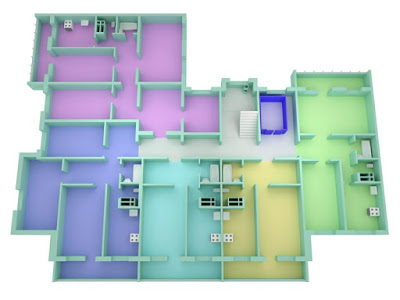
Condominium Survey for Real Estate / Houses / Buildings: What Is It, Who Prepares It, and How Much Does It Cost?
A Condominium Survey for real estate, houses, buildings, and other structures is a highly important document in the condominium registration process. It precisely defines the division of a building into individual condominium units, determines each owner's ownership share in the common parts of the building, and specifies how those common areas are to be used. The survey serves as the basis for creating a separate Land Registry entry for each unit and is essential for registering condominium ownership in the Land Registry.
What Is a Condominium Survey?
A Condominium Survey is a surveying and architectural document that provides a detailed representation of the division of a building into individual condominium units and establishes the legal status of each unit. The survey includes:
- Building floor plans showing the division into individual rooms and condominium units, with clearly defined boundaries between private units and common areas.
- Calculation of the floor area of each unit and the ownership share of each owner in the common parts of the building (such as hallways, staircases, elevators, courtyards, etc.).
- Description of the common parts of the building, identifying which areas are not privately owned and are shared by all condominium owners.
- Division into condominium units, specifying which units (apartments, commercial premises, garages, etc.) belong to which owners.
The Condominium Survey must be prepared in accordance with all applicable laws, urban planning regulations, construction standards, and the specific characteristics of the building.
Who Prepares a Condominium Survey?
A Condominium Survey is prepared by an authorized permanent court expert in architecture or civil engineering.
The Process of Preparing a Condominium Survey
The preparation of a Condominium Survey involves several key stages:
- Consultation and Preparation: Before starting the procedure, it is recommended to consult with a licensed surveyor and an architect to understand the requirements and prepare the necessary information.
- Building Survey: A licensed surveyor carries out a detailed survey of the building and defines the boundaries of each condominium unit. This includes measuring and recording the floor plans of all levels as well as the common areas.
- Preparation of Architectural Drawings: Based on the surveying documentation, the permanent court expert in architecture or civil engineering prepares detailed architectural drawings defining the division into condominium units, floor elevations, and the relationships between the various spaces.
- Preparation of the Condominium Survey: Using the surveying documentation and architectural drawings, the final Condominium Survey is prepared and certified by the authorized permanent court expert in architecture or civil engineering.
- Submission to the Land Registry: The Condominium Survey, together with the remaining required documentation (the list is available at the municipal information desk), is submitted to the competent Land Registry Office for the registration of the newly established condominium units.
Cost of Preparing a Condominium Survey
The cost of preparing a Condominium Survey for a house, building, or other real estate may vary considerably depending on several factors, including the size of the property, the complexity of the subdivision, the geographical location of the property, and any additional professional services required (such as architectural consultations or legal advice).
Conclusion
A Condominium Survey for a house, building, structure, or other real estate is a key document required for the legal subdivision of a building into individual condominium units and for establishing condominium ownership. Its preparation should always be entrusted to qualified professionals, such as authorized permanent court experts in architecture or civil engineering, who will ensure that the subdivision is legally compliant, technically accurate, and fully functional.Although the cost of preparing a Condominium Survey may vary, investing in a professionally prepared document is essential for ensuring that the condominium registration process proceeds smoothly and that future transactions involving the property can be carried out without complications.If you require the above-mentioned service, please feel free to contact us.