





Introduction
A conceptual project represents the basis of every construction project and the first step in the design process. Without a quality-made conceptual solution, it’s impossible to start further project development or obtain necessary construction permits.
This document defines the appearance, functionality, and basic technical characteristics of the building, allowing the investor to get a clear picture of the future construction before starting the main project development.
In this guide, we will explain in detail what a conceptual project is, what it contains, how it’s made, how much it costs, and why it’s crucial for the successful realization of every building.
What Is a Conceptual Project
A conceptual project is the initial phase of project documentation that presents the basic concept of the building. Its purpose is to define:
- architectural solution of the building
- basic dimensions and dimensions
- functional layout of rooms
- relationship between the building and the parcel
- visual appearance of the building
This project serves as the foundation for further development into the main project and the execution of works.
Why Is a Conceptual Project Important
A conceptual project plays a key role in the construction process because:
- it allows the investor to visualize the building
- it helps in making decisions before starting construction
- it reduces the risk of errors in later stages
- it represents the basis for obtaining urban planning approval
- it enables the estimation of construction costs
A quality conceptual project saves time and money during the realization.
What Does a Conceptual Project Contain
A conceptual project usually includes the following elements:
- site plan (building location on the parcel)
- base of all floors
- building sections
- facade (external appearance)
- 3D views or visualizations
- technical description of the building
These elements together provide a complete picture of the future building.
Phases of Conceptual Project Development
1. Location Analysis
The first step involves analyzing:
- urban planning conditions
- terrain configuration
- orientation and access to the parcel
- existing infrastructure
2. Concept Development
The architect creates a conceptual solution that includes:
- room layout
- building functionality
- aesthetics and design
3. Drawing and Visualization
In this phase, the following are created:
- floor plans
- sections
- facade
- 3D models
4. Finalization of the Project
Based on the investor’s comments, the project is finalized and prepared for the next phase of design.
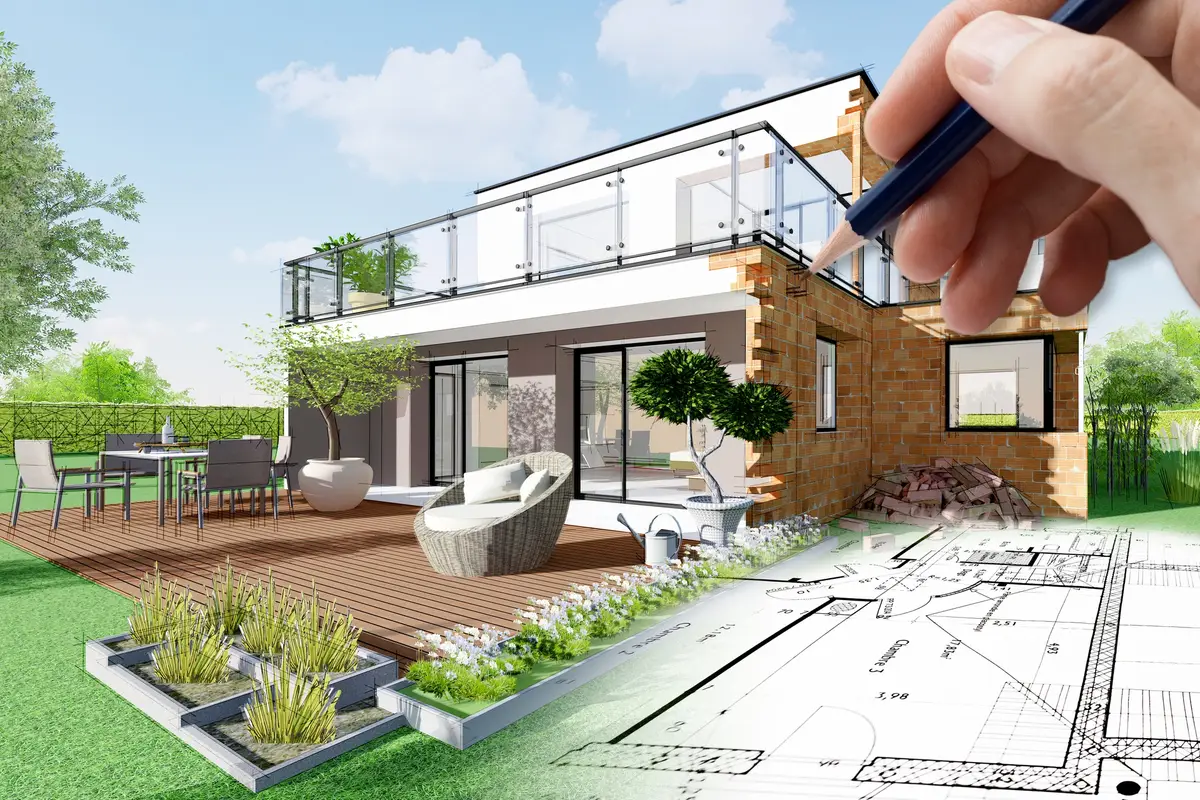
Conceptual Project and Permits
A conceptual project is often required for obtaining:
- urban planning approval
- location information
- construction conditions
Without this document, it’s impossible to continue with the development of the main project and obtain a construction permit.
Difference Between Conceptual and Main Project
A conceptual project represents the concept, while the main project contains detailed technical developments necessary for the execution of works.
- conceptual project – basic idea and appearance
- main project – construction details, installations, and materials
Both projects are necessary for the successful realization of the building.
How Much Does a Conceptual Project Cost
The price of a conceptual project depends on:
- building size
- project complexity
- location and investor requirements
- level of detail and visualization
Although it represents an initial cost, a conceptual project saves money in the long run by preventing construction errors.
How Long Does the Development of a Conceptual Project Take
The development time depends on the complexity of the building, but on average:
- small buildings – 7 to 15 days
Communication between the investor and the designer significantly affects the development speed.
Most Common Mistakes
- inconsistency with urban planning conditions
- poor room layout
- inadequate building orientation
- neglecting functionality
- insufficient communication with the designer
Advice for Investors
- clearly define your needs and wishes
- engage a professional
- check urban planning conditions before starting
- think long-term
- don’t rush when making decisions
Good preparation is the key to a successful project.
Conclusion
A conceptual project is the foundation of every construction project and the key to the successful realization of the building. It enables the clear definition of the appearance, functionality, and basic technical characteristics of the future building.
A quality-made conceptual project saves time, money, and prevents problems in later stages of construction. Therefore, it’s essential to devote enough attention to this phase and engage professionals who will ensure an optimal solution.
We offer this service, contact us.