





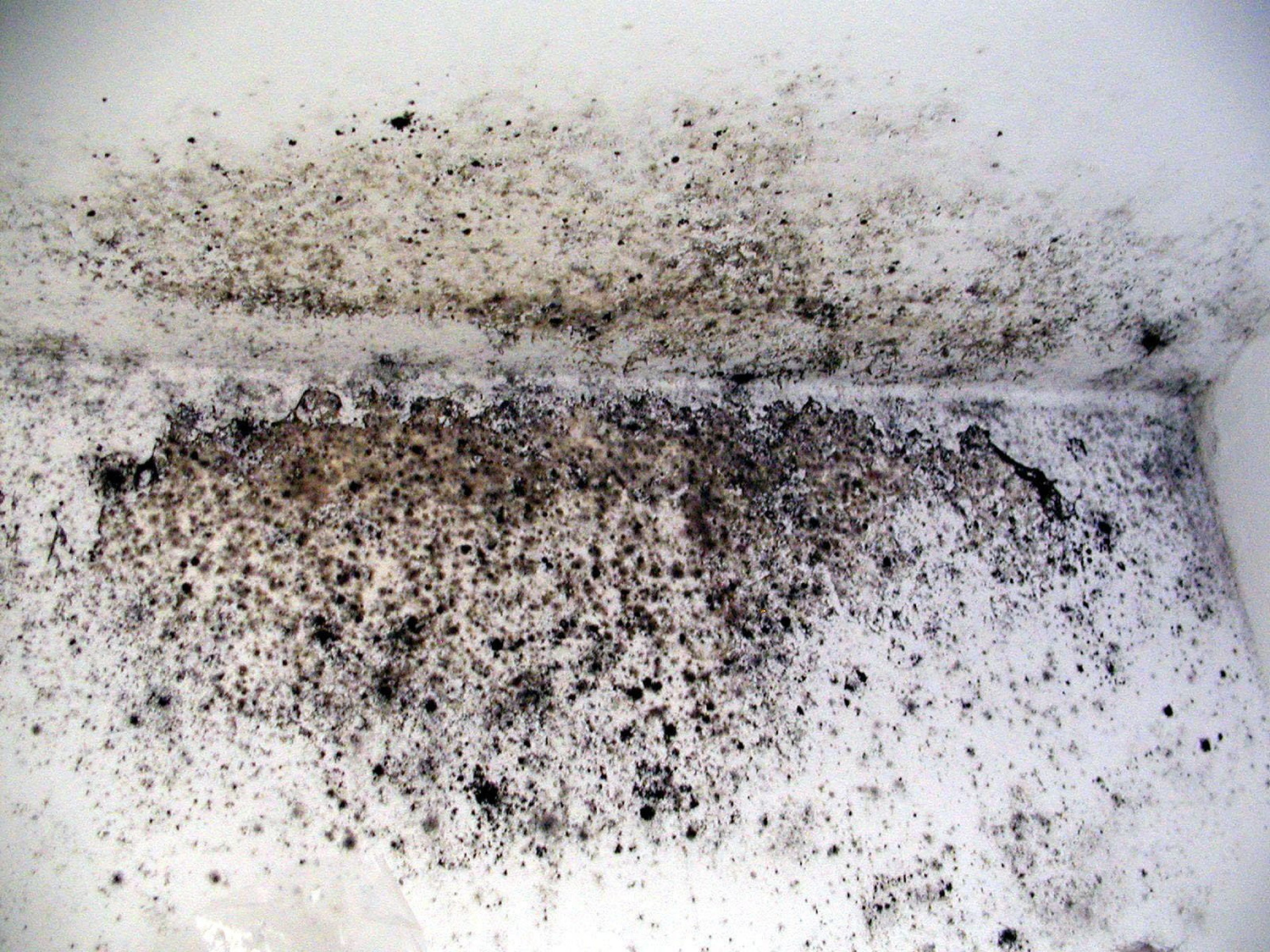
Damp walls in basements and partially or fully underground spaces are a common problem in construction. Especially when the space is used as a kitchen, additional moisture from the air leads to condensation, mold, and damage to the finish layers.
In the following, a proper remediation system based on real construction principles is presented.
1. The Main Cause of the Problem
With walls in contact with the ground, two main issues arise:
- capillary moisture from the soil
- cold wall causing condensation of water vapor from the air
When kitchen steam is added, mold and black spots form on the surface.
Ventilation helps, but it cannot solve the problem if the wall remains cold.
2. Proper Layering System for Remediation
For a long-term solution, the wall must be constructed in the following system:
a. Substrate
- existing wall (concrete or brick)
- must be solid and clean
b. Cement Hydroinsulation
- applied in 2 layers
- prevents moisture penetration from the structure
c. Remediation Mortar (Key Layer)
- thickness 2–3 cm
- water-vapor-permeable material
- accepts moisture and allows it to evaporate
This is the most important layer as it prevents the appearance of salt and mold on the surface.
d. Fine Smoothing (Optional)
- thin layer of fine plaster
- only if the wall is not directly affected by moisture
e. Finish Layer
- silicate paint (2 layers)
It allows the wall to “breathe” and prevents mold growth.
3. Ventilation of the Space
Constant ventilation (Ø20 cm opening) is a significant advantage as it:
- reduces air moisture
- helps wall evaporation
- reduces condensation
However, ventilation cannot replace thermal insulation of the wall.
4. Mistakes to Avoid
- sealing acrylic paints
- additional Styrofoam in the interior (especially thin layers)
- non-breathable finish layers (e.g., edelpuc, thick plaster without a system)
5. Conclusion
For walls in the ground, there is no solution that completely eliminates moisture from the structure, but there is a proper system that:
- prevents mold
- allows for a stable surface
- reduces condensation
- extends the wall’s lifespan
The most important elements of the system are:
remediation mortar + silicate paint + good ventilation
This is the only long-term stable approach without expensive and unnecessary interventions.
Note: For informational purposes only.