





Protective nets for scaffolding are one of the most important safety elements on modern construction sites. Their primary function is to protect workers, pedestrians, and the environment from falling materials, tools, or construction debris during work at heights.
Today, protective nets are a standard on almost all serious construction projects, as they significantly increase safety and reduce the risk of accidents.
1. What are Protective Nets for Scaffolding?
Protective nets are installed on the outside of facade scaffolding and serve as a physical barrier that prevents the fall of construction materials and tools.
In addition to their safety function, nets often protect construction sites from:
- wind
- dust
- small debris
- weather conditions
2. Where are Protective Nets Used?
Protective nets are used in various types of construction and renovation work.
The most common applications include:
- facade construction
- thermal insulation work
- building renovation
- plastering and rendering
- roofing work
- building rehabilitation
- restoration of historical buildings
- construction of residential and commercial buildings
3. Materials Used to Make Nets
Modern protective nets are made from high-quality synthetic materials such as polyethylene and polypropylene.
These materials provide:
- resistance to weather conditions
- long lifespan
- resistance to UV radiation
- resistance to mechanical damage
4. Advantages of Protective Nets for Scaffolding
The use of protective nets brings numerous benefits to construction sites.
- increased worker safety
- protection of pedestrians and vehicles
- prevention of material falls
- reduction of dust spread
- wind protection
- better site organization
- compliance with safety standards
5. Types of Protective Nets
There are several types of protective nets used depending on the project type and level of protection.
5.1. Light Protective Nets
Used for smaller construction work and protection from dust.
5.2. Reinforced Protective Nets
Designed for large construction sites where there is an increased risk of falling heavy objects.
5.3. Anti-Dust Nets
Reduce the spread of construction dust to surrounding buildings and streets.
5.4. Fire-Resistant Nets
Used on projects with specific safety requirements.
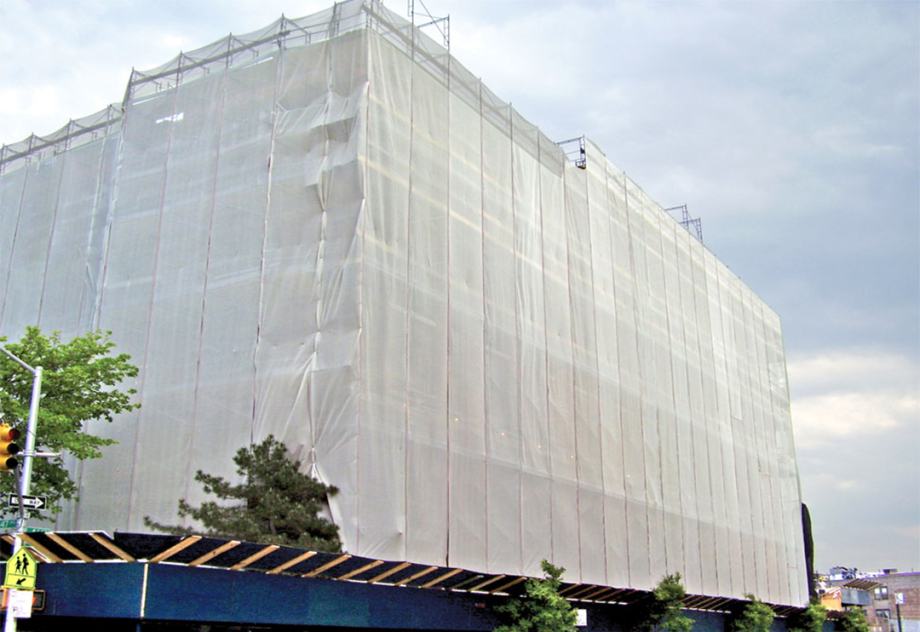
6. Proper Installation of Protective Nets
Proper installation of nets is extremely important for site safety.
During installation, it is necessary to:
- check the stability of the scaffolding
- use high-quality fasteners
- properly tension the net
- avoid damaging the material
- regularly inspect the net’s condition
Poorly installed nets can pose an additional risk during strong winds.
7. Safety Standards
On large construction projects, protective nets are often mandatory by law.
Safety regulations require the use of protective systems when working at heights to protect:
- workers
- pedestrians
- surrounding buildings
8. Cost of Protective Nets for Scaffolding
The cost of protective nets depends on several factors.
- net size
- material quality
- weave density
- UV resistance
- fire resistance
- manufacturer
For larger projects, nets are usually purchased in rolls.
9. Maintenance of Protective Nets
Regular maintenance extends the life of nets and increases safety.
It is important to regularly:
- inspect for damage
- clean nets from dust and mortar
- check fasteners
- properly store nets
10. Conclusion
Protective nets for scaffolding are an essential part of every professional construction site. Their role is not only to protect workers but also to increase overall safety, organization, and efficiency of work.
Regardless of whether it’s a small renovation or a large construction project, high-quality and properly installed protective nets significantly reduce the risk of accidents and contribute to safer work at heights.