





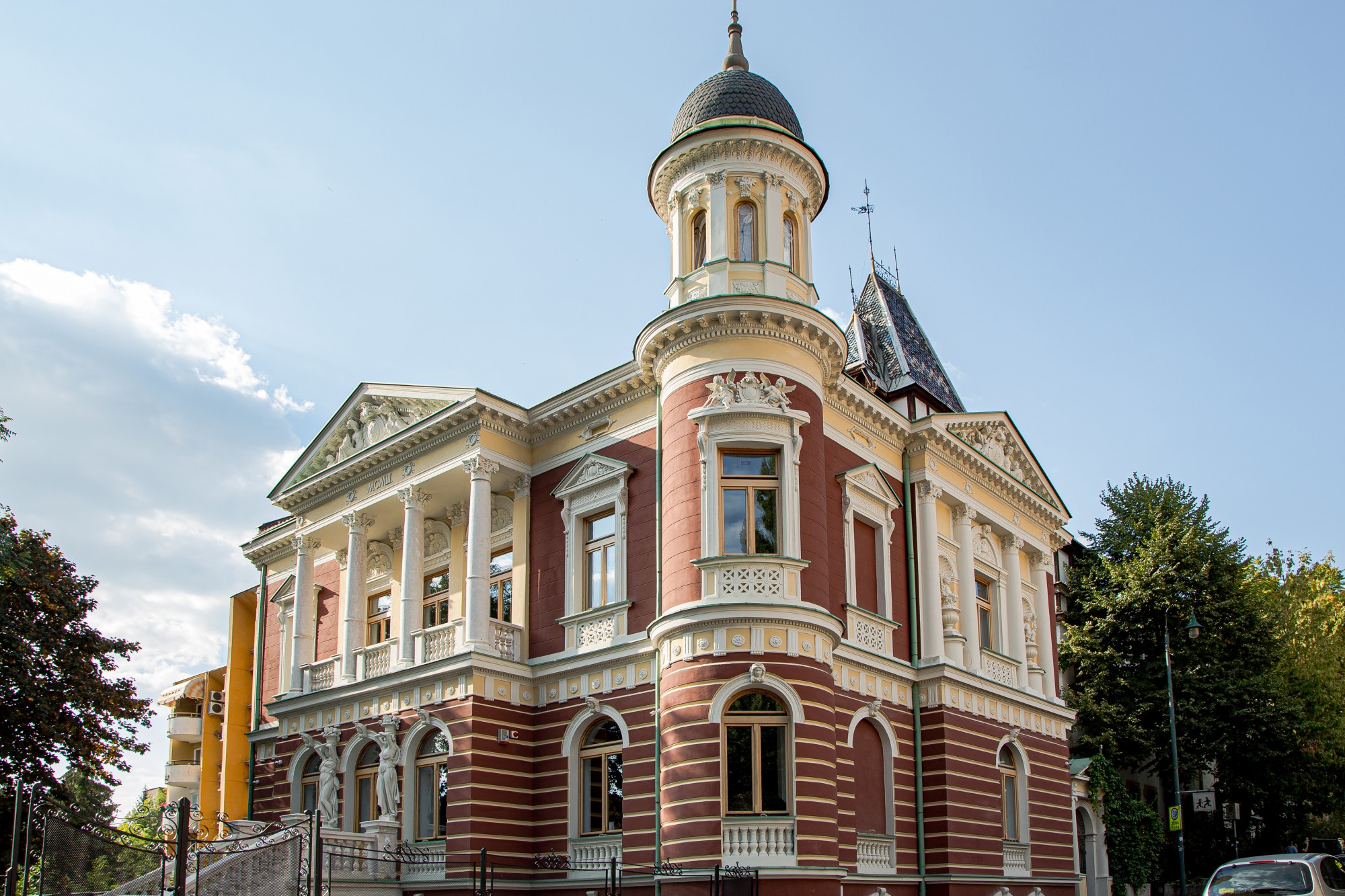
When renovating buildings of cultural and historical value, wall layers must be designed to:
- allow diffusion of water vapor,
- prevent condensation,
- preserve existing walls,
- be compatible with old materials (stone, solid brick, lime mortar).
Below are the typical layers for the most common internal thermal insulation systems.
1. Calcium Silicate System
Used for buildings with high humidity and moisture problems.
Layers (from outside to inside)
- Existing wall
- stone / solid brick / mixed wall
- Sanitation or lime mortar
- substrate leveling
- vapor-permeable
- Full-surface bonding with mineral adhesive
- Calcium silicate boards
- thickness: 25-100 mm
- Reinforced layer
- mineral adhesive + glass mesh
- Final fine lime or silicate mortar
- Vapor-permeable paint
- silicate or lime
Characteristics
- no vapor barrier,
- breathable wall,
- good humidity regulation,
- excellent protection against moisture.
2. Multipor Mineral System
Mineral and non-combustible thermal insulation system.
Layers (from outside to inside)
- Existing wall
- Lime or extended mortar
- Mineral adhesive
- Multipor mineral boards
- 50-120 mm
- Reinforced layer
- adhesive + mesh
- Compatible putty mass with the system
- Silicate or mineral paint
Characteristics
- vapor-permeable system,
- good heat accumulation,
- non-combustible,
- suitable for old walls.
3. Wood Fiber System
Used for traditional and ecological buildings.
Layers (from outside to inside)
- Existing wall
- Lime mortar
- Substructure (wooden or metal)
- Wood fiber insulation
- 40-120 mm
- Vapor barrier (not fully impermeable)
- Installation layer (if necessary)
- Gypsum-fiber or clay boards
- Final treatment
- clay, lime or silicate finish layer
Characteristics
- natural materials,
- good humidity regulation,
- excellent summer protection against overheating.
4. Aerogel System
For buildings where there is no space for thicker insulation.
Layers (from outside to inside)
- Existing wall
- Leveling mineral mortar
- Aerogel thermal insulation mortar or boards
- 10-40 mm
- Reinforced layer
- Final fine lime mortar
- Vapor-permeable paint
Characteristics
- very small thickness,
- outstanding thermal insulation,
- used for protected interiors and details.
5. Internal Insulation with Mineral Wool (Controlled System)
Used only with precise calculation of diffusion.
Layers (from outside to inside)
- Existing wall
- Leveling mortar
- Metal substructure
- Mineral wool
- 50-100 mm
- Vapor barrier
- carefully executed and sealed
- GK boards or gypsum-fiber boards
- Putty and final paint
Characteristics
- more favorable system,
- high risk of condensation if poorly executed,
- not ideal for very old walls.
Special Details for Historic Buildings
Window Sills
Must be additionally insulated with thin boards to avoid:
- thermal bridges,
- condensation,
- moisture around windows.
Connection of Intermediate Floor Construction and Wall
Required:
- local reinforcement of insulation,
- continuity of thermal protection.
Basement Walls
Often require:
- sanitation mortars,
- waterproofing,
- dehumidification before thermal insulation.
Important Rule
For old buildings, it is never recommended:
- using ordinary styrofoam from the inside,
- PVC impermeable coatings,
- sealing the wall without controlling diffusion.
This can lead to:
- hidden condensation,
- structural decay,
- mortar deterioration,
- appearance of salt and moisture.
Recommendation for Practice
For buildings of cultural and historical value, the following are most often recommended:
- calcium silicate boards,
- Multipor system,
- aerogel for thin details.
Because they allow:
- diffusion of vapor,
- preservation of the wall,
- compatibility with old materials,
- a safer building-physical operation of the wall.
Note: For informational purposes only.