





What Do Excavation and Site Preparation Entail?
Excavation and site preparation represent one of the first and most important phases of every construction project. Before the start of building construction, it is necessary to ensure suitable conditions on the construction site to enable safe, precise, and project-compliant work.
High-quality earthworks create a stable foundation for the foundations and the entire building structure. Any mistake in this phase can later cause serious problems, such as soil settlement, wall cracking, or structural damage.
Why Is Site Preparation Important?
Site preparation has a direct impact on the safety and durability of the building. The goal is to ensure that the soil can withstand the building’s loads and enable the proper execution of all subsequent construction works.
Properly prepared soil allows for:
- Safe foundation construction
- Precise work execution
- Reduced risk of soil settlement
- Improved surface water drainage
- Long-term building stability
What Works Are Carried Out During Site Preparation?
The scope of preparatory work depends on the characteristics of the parcel, the type of building, and the conditions on the construction site.
Parcel Clearance
The first step involves removing vegetation, trees, roots, debris, and other obstacles that may hinder the execution of construction works.
A clean site enables precise geodetic marking and unhindered operation of construction machinery.
Removal of the Topsoil Layer
The topsoil layer is often not suitable for building foundations due to its structure and potential for settlement. Therefore, it is removed before excavation begins.
The removed topsoil is often used later for landscaping the green areas around the building.
Site Grading and Leveling
Depending on the parcel’s configuration, the site may need to be graded or shaped to achieve the designed levels and enable proper work execution.
Leveling is particularly important for buildings constructed on sloping or uneven terrain.
Types of Excavation in Construction
The type of excavation depends on the purpose and characteristics of the future building.
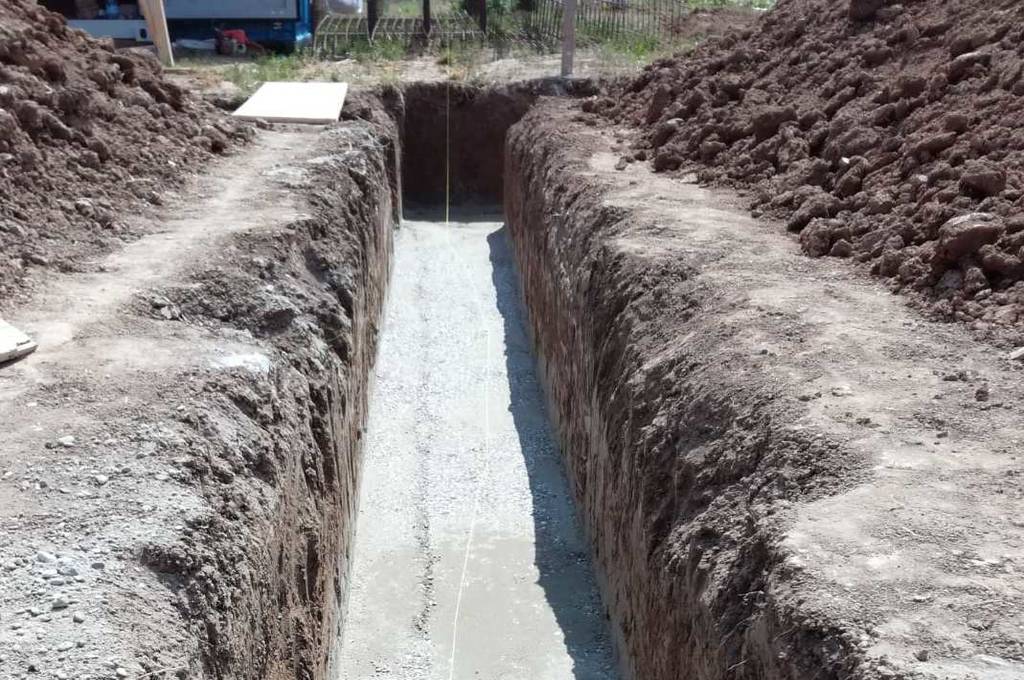
Foundation Excavation
The most common type of excavation, which is carried out to construct foundation strips, foundation slabs, or other types of foundations.
The depth and width of the excavation are determined by the project and geotechnical characteristics of the soil.
Basement Excavation
For buildings with basements, deeper and more extensive earthworks are carried out, which require additional measures to protect the excavation.
Infrastructure Excavation
This type of excavation is used for laying water supply, sewerage, electrical, and other installations.
Construction Machinery for Excavations
Modern earthworks are carried out using specialized construction machinery, which enables faster and more precise work execution.
- Excavators
- Mini excavators
- Bulldozers
- Loaders
- Vibratory rollers
The choice of suitable machinery depends on the scope of work and site characteristics.
Importance of Geomechanical Soil Testing
Before carrying out large construction projects, it is recommended to conduct geomechanical soil testing. This procedure determines the soil’s bearing capacity, composition, and potential risks that may affect the building’s stability.
The test results are used to design suitable foundations and determine necessary construction measures.
Drainage During Earthworks
The presence of groundwater or surface water can significantly hinder excavation work. Therefore, it is necessary to plan adequate drainage systems before starting work.
Proper drainage enables:
- Excavation stability
- Safer work on the construction site
- Protection of the foundation from moisture
- Higher-quality work execution
Common Mistakes During Site Preparation
Improperly executed earthworks can cause serious problems during and after construction.
- Insufficient removal of topsoil
- Poor site leveling
- Inadequate soil compaction
- Improper water drainage
- Failure to follow designed excavation dimensions
Professional planning and execution of work significantly reduce the likelihood of these problems.
How Long Do Excavations and Site Preparation Take?
The duration of work depends on the size of the parcel, the type of building, soil complexity, and weather conditions.
For family houses, preparatory work is often completed within a few days, while for larger construction projects, it can take significantly longer.
Conclusion
Excavation and site preparation represent the foundation of successful construction and one of the most important phases of every construction project. High-quality earthworks ensure a stable foundation for the future building, reduce the risk of structural problems, and enable unhindered execution of all subsequent work.
Investing in professional site preparation and proper excavation execution represents a long-term investment in the safety, durability, and quality of the building.