





Building walls represents the basic structural function of every house or building. The stability, thermal and sound insulation, and longevity of the entire structure depend on properly constructed walls. Façade systems provide additional protection to the structure from weather conditions and contribute to the aesthetic appearance of the building.
This guide provides a comprehensive overview of building walls and façade systems: types of materials, construction methods, real prices in KM, and practical tips for construction in Bosnia and Herzegovina.
Types of Walls
Load-Bearing Walls
Load-bearing walls transfer the weight of the roof and floors to the foundation. The most commonly used materials are:
- Brick walls (solid brick 12-25 cm)
- Concrete blocks
- Porotherm or thermal blocks
Material Prices:
- Bricks: 0.80 – 1.20 KM/unit
- Concrete blocks: 1.50 – 2.50 KM/unit
- Porotherm: 2.50 – 4.00 KM/unit
Partition Walls
These walls do not bear weight and are used to separate rooms.
- Brick blocks 10-12 cm
- Gypsum board walls
Price: 20 – 50 KM/m²
Building Techniques
- Classic building with mortar (cement, sand)
- Dry building (blocks with adhesive)
- Reinforced building for larger structures
The thickness of the mortar is usually 1-1.5 cm per layer, and the quality of the work directly affects the durability of the wall.
Façade Systems
The façade protects the walls from moisture, cold, and UV rays, and provides an aesthetic appearance.
Types of Façades
- Classic plaster + paint
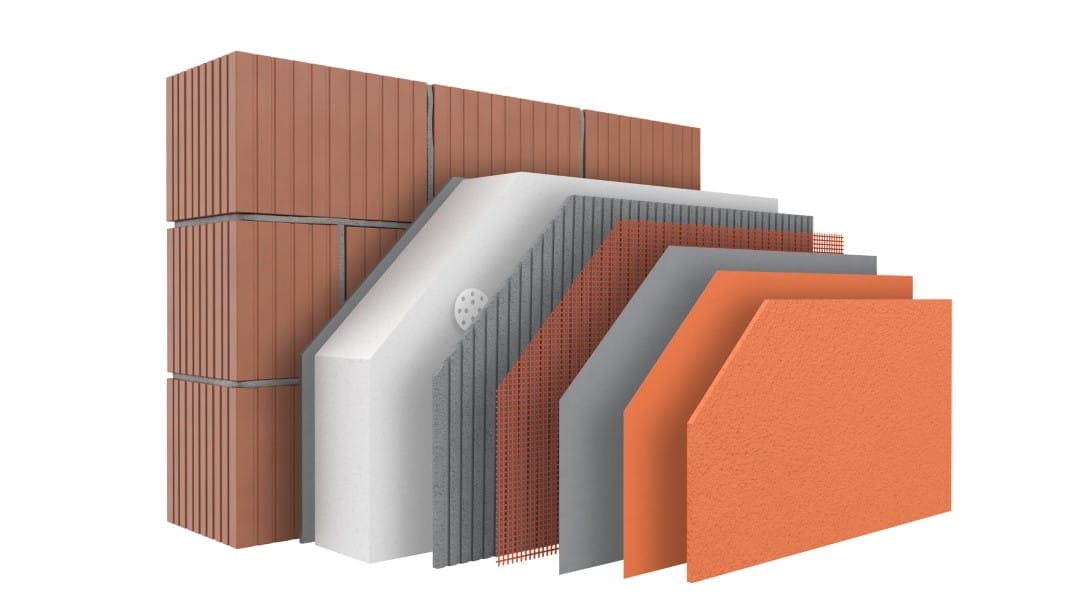
- ETICS (insulation + mesh + finish layer)
- Ventilated façade systems
Façade Prices in KM
- Classic plaster: 30 – 50 KM/m²
- ETICS (EPS 10 cm): 80 – 120 KM/m²
- ETICS (stone wool 10 cm): 100 – 150 KM/m²
- Ventilated system: 150 – 250 KM/m²
Material Selection
The selection of materials depends on:
- Building type (residential, industrial)
- Thermal and sound insulation
- Investor’s budget
- Climatic conditions and exposure to weather
Wall Thickness and Insulation
Optimal wall thickness:
- Brick wall: 20-25 cm + 10 cm thermal insulation
- Concrete block: 20-30 cm + 8-10 cm insulation
- Porotherm: 25-30 cm + 10-15 cm insulation
Material Calculation
Example of a 150 m² house:
- Load-bearing walls: 10,000 – 15,000 KM
- Partition walls: 2,500 – 4,000 KM
- Façade: 12,000 – 20,000 KM
- Labor: 10,000 – 15,000 KM
Total: 34,500 – 54,000 KM
Common Mistakes
- Insufficiently leveled wall
- Incorrect mortar application
- Inadequate waterproofing
- Poor façade system installation
Construction Tips
- Always use high-quality materials
- Follow recommended thickness and joint guidelines
- Check moisture levels before applying façade
- Use reinforcement for blocks of greater height
Conclusion
Building walls and façade systems are key elements of construction. The correct selection of materials and work quality directly affect the durability, energy efficiency, and aesthetics of the building. Investing in high-quality walls and façades is one of the most cost-effective investments in the entire construction process.