





What Do Reconstruction and Adaptation of Buildings Entail?
Reconstruction and adaptation of buildings represent construction interventions that improve, adapt to new needs, or renovate existing space after a certain period of use. These works can include minor changes to the interior space or complex interventions on the building’s structure.
The goal of reconstruction and adaptation is to increase functionality, safety, energy efficiency, and the overall value of the property.
When Is Building Adaptation Necessary?
Adaptation is most often performed when owners want to modernize the space, improve the layout of rooms, or adapt the building to new needs.
Such works can be part of regular maintenance or a larger investment aimed at improving the quality of life and work in the building.
When Is Reconstruction Necessary?
Reconstruction involves more extensive interventions that can include changes to the load-bearing structure, expansion of the building, or significant technical modifications.
Such projects require detailed planning and expert implementation to ensure the safety of the building.
Advantages of Reconstruction and Adaptation
High-quality work can bring numerous benefits to property owners.
- Increased market value of the building
- Improved functionality of the space
- Modern appearance of the building
- Greater energy efficiency
- Reduced maintenance costs
In many cases, adaptation represents a more economical solution than building a new structure.
Project Planning
Every reconstruction or adaptation project should begin with a detailed analysis of the building’s current state.
Proper planning allows for the definition of necessary works, deadlines, and budgets before the start of construction.
Assessment of the Structure’s Condition
Before performing major interventions, it is necessary to assess the condition of the foundation, walls, floors, and roof.
Based on the assessment, necessary measures for the rehabilitation or strengthening of the structure can be determined.
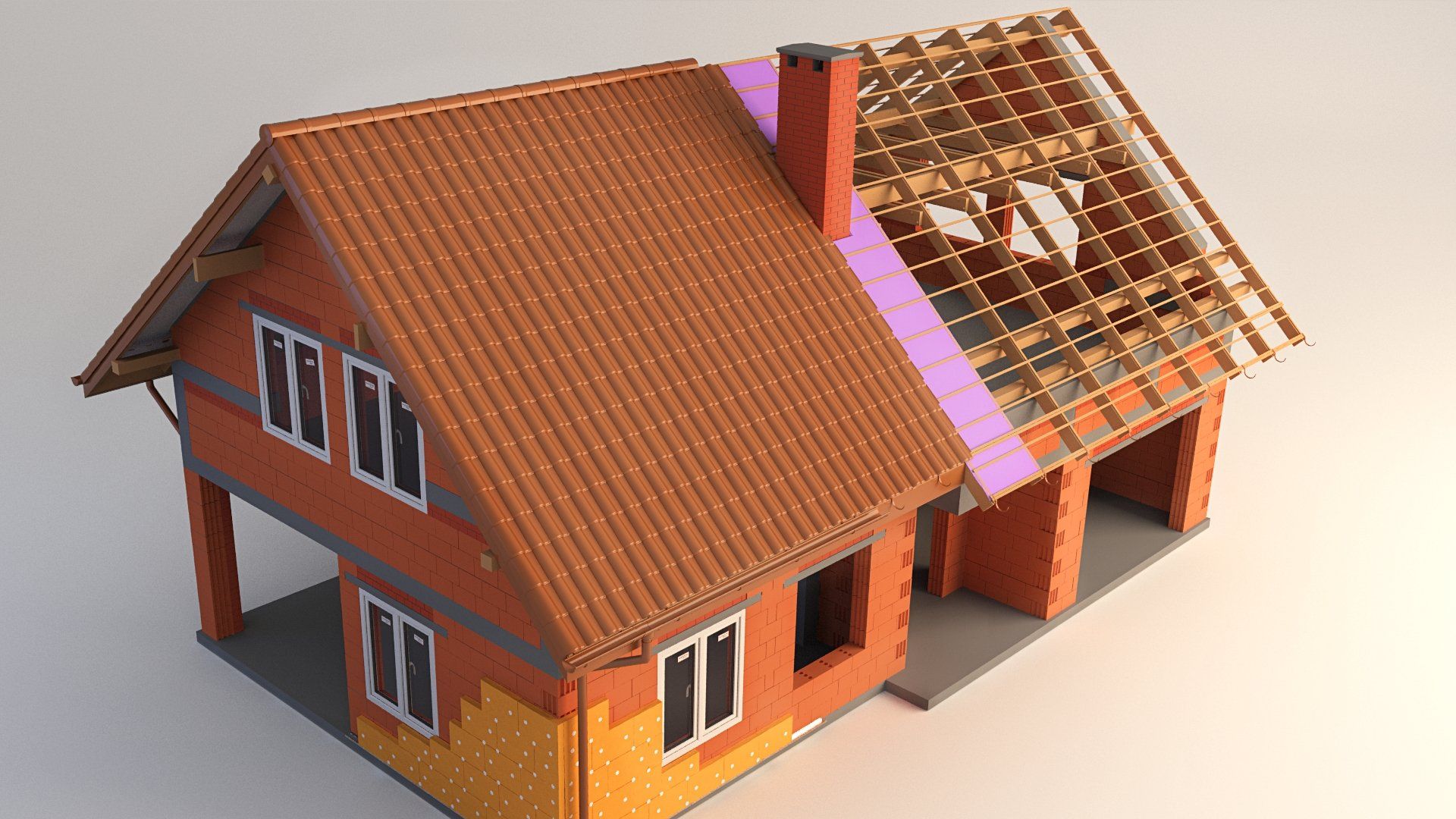
Construction Works During Reconstruction
The type of work depends on the project’s scope and the building’s condition, and some of them include:
- Demolition of existing elements
- Construction of new walls
- Structural rehabilitation
- Concrete and reinforcement works
- Roofing works
All interventions must be performed in accordance with technical requirements and the planned purpose of the space.
Renovation of Installations
During reconstruction, it often includes replacing outdated installations to bring the building up to modern standards.
- Electrical installations
- Water supply installations
- Drainage
- Heating and cooling systems
Modernizing installations increases the safety and functionality of the building.
Energy Efficiency During Adaptation
Reconstruction represents an ideal opportunity to improve the energy efficiency of the building.
Installing quality insulation, modern joinery, and efficient heating systems can significantly reduce the costs of using the building.
Final Construction Works
After completing the rough works, the final finishing of the space is approached.
- Plastering
- Smoothing and whitewashing
- Floor installation
- Ceramic works
- Joinery installation
These works have a significant impact on the final appearance and functionality of the building.
Quality Control of Executed Works
Regular control during all project phases allows for the timely detection of potential deficiencies.
High-quality execution contributes to the longevity of the building and greater user satisfaction.
Common Challenges During Reconstruction
In older buildings, unforeseen problems often arise that can affect the course of work.
- Hidden structural damage
- Outdated installations
- Moisture issues
- Additional unplanned works
- Extended execution deadlines
Expert planning and quality organization can significantly reduce the impact of these challenges.
How to Choose a Contractor for Reconstruction?
Selecting an experienced construction company is a crucial factor in a successful project. It is recommended to check references, previous projects, and the contractor’s expertise.
A quality contractor can help optimize costs and ensure professional execution of all works.
Conclusion
Reconstruction and adaptation of buildings represent an effective way to improve existing space without the need for building a new structure. Properly planned and high-quality work can increase functionality, safety, and property value.
By engaging a professional contractor and planning carefully, it is possible to achieve long-term benefits and adapt the building to modern living or business requirements.