





Water supply and sanitation systems are a crucial part of every home or residential building. They provide safe drinking water, wastewater disposal, and optimal living comfort. Proper design, quality materials, and correct installation directly affect the system’s functionality and longevity.
In this guide, we cover everything – from the type of pipes, fittings, sanitary ware, waterproofing, to real prices in KM and practical advice for implementation in Bosnia and Herzegovina.
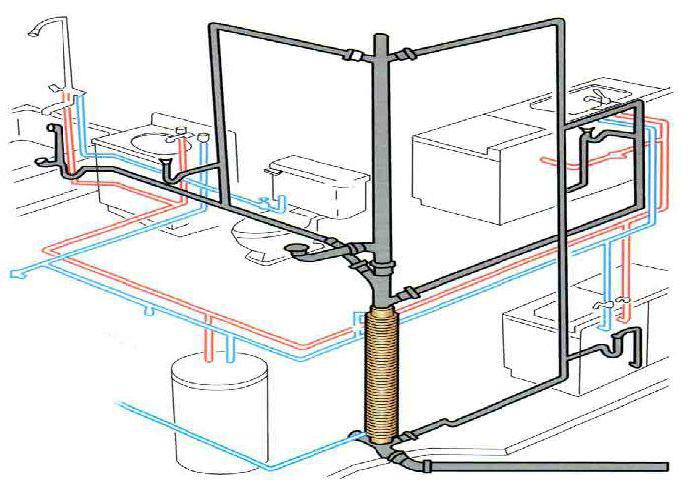
Basic Components of a Water Supply System
- Connection to the city water supply or well
- Main vertical and horizontal pipe network
- Sanitary elements (toilets, sinks, showers, bathtubs, faucets)
- Valves, siphons, filters, and accessories
- Water heating equipment (boilers, solar systems, heat pumps)
Type of Pipes
PEX Pipes
- Flexible, corrosion-resistant
- Ideal for indoor installation
- Price: 3 – 6 KM/m
PVC Pipes
- Used for wastewater disposal
- Price: 2 – 5 KM/m
Steel and Copper Pipes
- High durability, more expensive
- Price of copper: 15 – 25 KM/m
- Price of steel: 10 – 20 KM/m
Sanitary Elements and Prices
- Toilet bowl: 150 – 400 KM
- Sink: 100 – 250 KM
- Shower cabin: 300 – 700 KM
- Bathtub: 400 – 1000 KM
- Faucets: 80 – 400 KM
- Boiler 80-100 l: 600 – 1200 KM
Fittings and Accessories
- Valves: 15 – 40 KM
- Siphons: 10 – 30 KM
- Filters: 50 – 200 KM
- Fittings and couplings: 5 – 20 KM each
Water Supply System Design
Proper design includes:
- Determining the required flow and pressure
- Planning the pipe network and connections
- Choosing materials based on water quality and insulation
- Wastewater disposal and ventilation
Sanitation System and Drainage
Drain pipes must have a suitable slope for gravity drainage (1-2%) and siphons to prevent unpleasant odors. Waterproofing the bathroom is mandatory to prevent moisture penetration into the structure.
Installation and Implementation
- Pipe installation before finishing work
- Pressure and leak testing
- Insulation of pipes in walls and floors
- Installation of sanitary ware and boilers
Waterproofing of Bathrooms and Wet Areas
- Bitumen membranes: 15 – 25 KM/m²
- Liquid waterproofing: 20 – 35 KM/m²
- Ceramic tiles + mortar: 35 – 60 KM/m²
Cost of a Complete Water Supply and Sanitation System (150 m² house)
- Pipes and fittings: 4,000 – 7,000 KM
- Sanitary ware: 6,000 – 10,000 KM
- Boilers and equipment: 2,000 – 5,000 KM
- Labor: 5,000 – 10,000 KM
Total: 17,000 – 32,000 KM
Most Common Mistakes
- Insufficiently insulated pipes
- Incorrectly installed siphons
- Unchecked connections and valves
- Poor waterproofing of wet areas
Tips for Implementation
- Always use quality materials and pipes certified for drinking water
- Check pressure before covering pipes
- Plan work before finishing work
- Install filters and ventilation valves for long-term functionality
Conclusion
Water supply and sanitation systems are critical for the functionality and comfort of a home. Proper design, quality materials, and professional execution guarantee longevity, safety, and efficiency. Investing in a good water supply and sanitation system is always cost-effective and saves money and problems in the long run.