





Facade renovation is one of the most important construction interventions on a building, as it directly affects the appearance, protection, and energy efficiency of the building. Over time, the facade loses its properties due to rain, sun, freezing, and mechanical damage, so regular maintenance and renovation are necessary.
A well-done facade renovation prolongs the life of the building, improves insulation, and significantly increases the value of the property.
1. What is facade renovation?
Facade renovation includes all work performed to repair, clean, or completely renovate an existing facade.
This work may include:
- facade cleaning
- crack repair
- replacement of damaged parts
- installation of new insulation
- painting and finishing
2. When is facade renovation necessary?
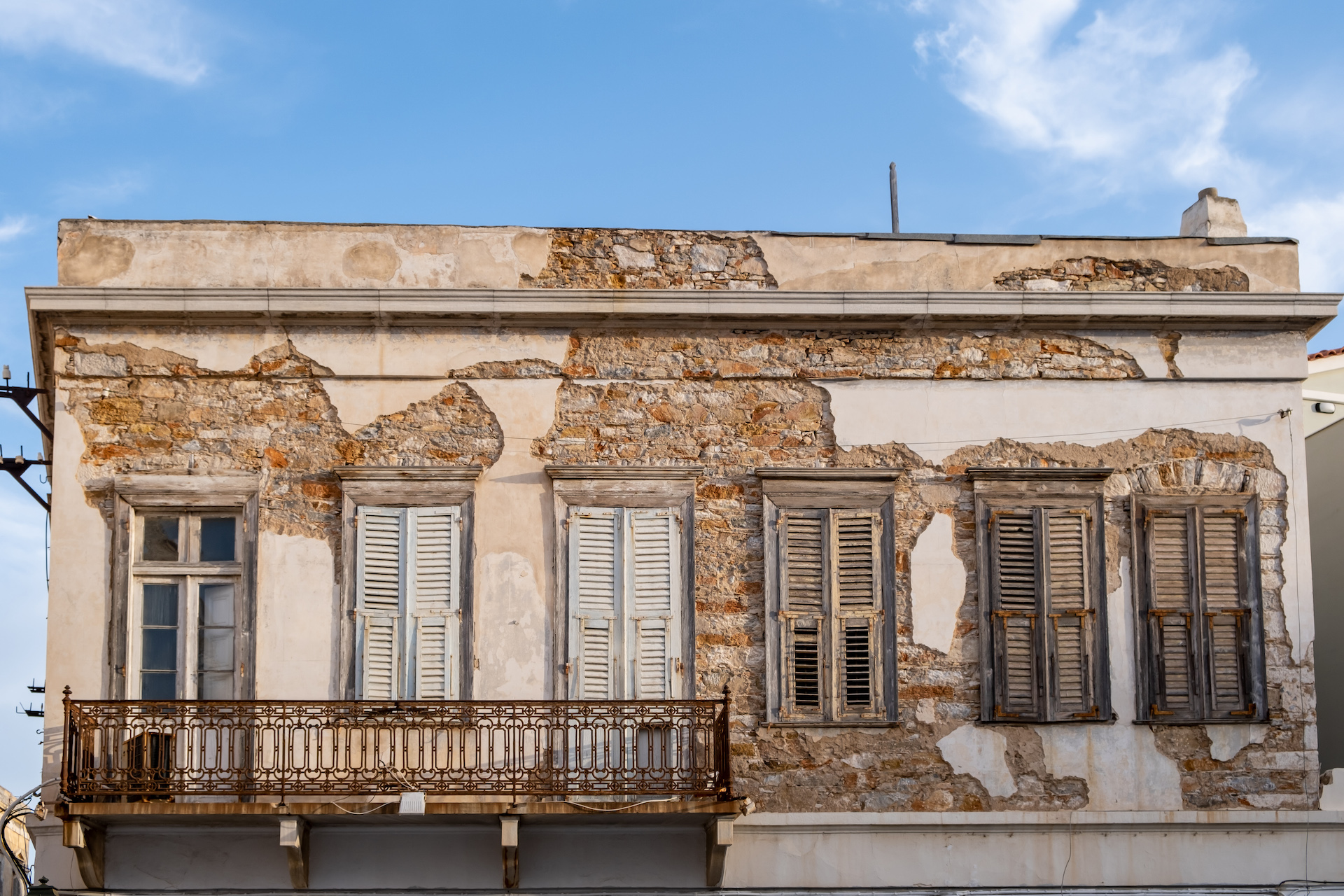
The facade must be renovated when signs of damage or reduced insulation properties are noticed.
The most common signs are:
- walls cracking
- paint peeling
- moisture and mold
- poor thermal insulation
- facade color change
3. Types of facade renovation
There are several ways to renovate a facade, depending on the condition of the building and the budget.
3.1. Surface renovation
Includes cleaning and repainting the facade without major construction work.
3.2. Partial renovation
Involves repairing damaged parts and sealing cracks.
3.3. Complete facade renovation
Includes removing the old facade and installing new insulation and finishing layer.
4. Materials for facade renovation
Various materials are used for facade renovation, depending on the facade system.
- EPS (expanded polystyrene)
- rock wool
- facade adhesives
- reinforcing mesh
- decorative finishing plaster
5. Facade renovation procedure
Facade renovation is performed in several phases to achieve a long-lasting and high-quality result.
5.1. Surface preparation
Old paint, dirt, and loose parts of the facade are removed.
5.2. Damage repair
Cracks are sealed and damaged parts of the wall are repaired.
5.3. Insulation installation
New thermal insulation is added if necessary to improve energy efficiency.
5.4. Finishing layer
A decorative layer is applied to give the facade its final appearance.
6. Benefits of facade renovation
Facade renovation offers numerous benefits for every building.
- improved energy efficiency
- lower heating and cooling costs
- protection of walls from moisture
- improved building appearance
- increased property value
7. Cost of facade renovation
The cost of facade renovation depends on several factors.
- building size
- type of material
- condition of the existing facade
- insulation thickness
- type of finishing treatment
8. How long does facade renovation take?
The duration of the work depends on the size of the building and the complexity of the task, but on average, it takes from several days to several weeks.
9. Mistakes to avoid during facade renovation
The most common mistakes to avoid are:
- poor surface preparation
- using low-quality materials
- improper insulation installation
- skipping reinforcement
- poorly executed finishing layer
10. Conclusion
Facade renovation is an important investment that directly affects the durability, appearance, and energy efficiency of a building. High-quality work brings long-term savings and better building protection.