





Floor coverings are the final layer of flooring that affects the aesthetics, functionality, and comfort of a space. The choice of suitable floor covering depends on the type of room, expected load, maintenance, and aesthetic preferences. Proper installation of floor coverings prolongs the lifespan of the floor and facilitates maintenance.
1. Ceramic Tiles
- Purpose: kitchens, bathrooms, hallways
- Resistant to moisture and mechanical damage
- Dimensions: 30×30 cm, 60×60 cm, 80×80 cm
- Material cost: 20–60 KM/m²
- Labor cost: 15–35 KM/m²
- Total: 35–95 KM/m²
- Advantages: long lifespan, easy cleaning, moisture resistance
- Disadvantages: coldness, requires quality hydro-insulation underneath in humid areas
2. Laminate
- Purpose: living rooms, bedrooms, hallways
- Easy installation, wide range of decor options
- Thickness: 7–12 mm
- Material cost: 25–50 KM/m²
- Labor cost: 5–15 KM/m²
- Total: 30–65 KM/m²
- Advantages: aesthetically pleasing wooden floor look, easy maintenance
- Disadvantages: sensitive to moisture and damage, requires sound insulation underneath
3. Parquet
- Purpose: living rooms, bedrooms
- Natural material, possible to varnish and sand
- Thickness: 15–22 mm
- Material cost: 50–120 KM/m²
- Labor cost: 15–30 KM/m²
- Total: 65–150 KM/m²
- Advantages: long lifespan, aesthetically pleasing natural look
- Disadvantages: more expensive, sensitive to moisture and mechanical damage
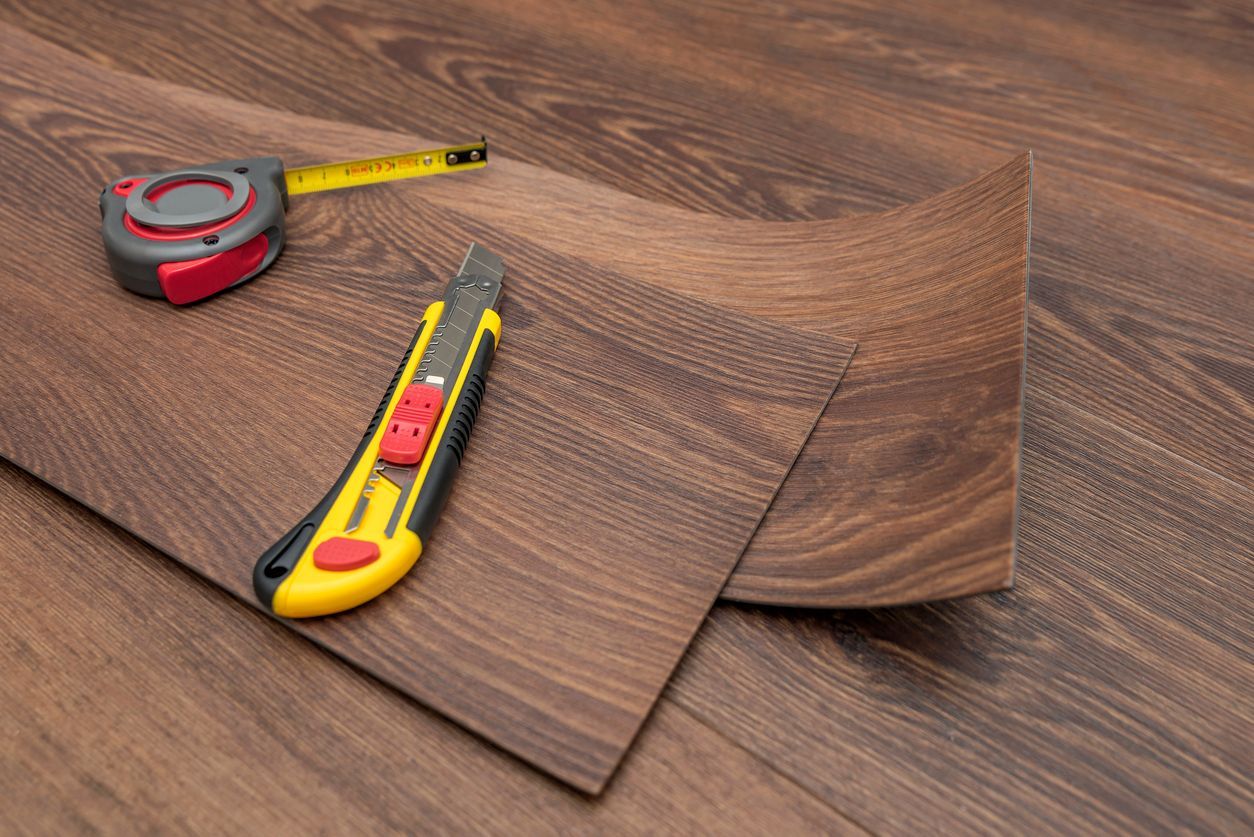
4. Vinyl Coverings (PVC)
- Purpose: kitchens, children’s rooms, hallways
- Moisture-resistant and easy to maintain
- Thickness: 2–5 mm
- Material cost: 20–50 KM/m²
- Labor cost: 5–15 KM/m²
- Total: 25–65 KM/m²
- Advantages: easy installation, high moisture resistance
- Disadvantages: shorter lifespan than laminate and parquet
5. Epoxy Floors
- Purpose: garages, industrial spaces, basements
- Resistant to chemicals and mechanical damage
- Material cost: 35–80 KM/m²
- Labor cost: 25–50 KM/m²
- Total: 60–130 KM/m²
- Advantages: high resistance, easy cleaning
- Disadvantages: coldness, more expensive than standard coverings
6. Typical Problems and Mistakes
- Inadequate leveling of the substrate before installation
- Incorrect choice of substrate for the type of room
- Inadequate fixation and joining of elements
- Insufficient protection from moisture in areas with increased humidity
- Incomplete or poor hydro-insulation under tiles and parquet
7. Installation Tips
- Prepare a flat and clean substrate before installing coverings
- Use suitable substrate and hydro-insulation for each type of floor
- Follow manufacturer’s instructions for adhesives and materials
- Regularly maintain the floors and clean them with suitable agents
- Avoid damage from mechanical impacts and moisture
8. Costs of Floor Coverings for a House (150 m²)
| TYPE OF FLOOR COVERING | AREA (M²) | MATERIAL COST (KM) | Labor COST (KM) | TOTAL (KM) |
|---|---|---|---|---|
| Ceramic Tiles | 50 m² | 1.000–3.000 | 750–1.750 | 1.750–4.750 |
| Laminate | 50 m² | 1.250–2.500 | 250–750 | 1.500–3.250 |
| Parquet | 30 m² | 1.500–3.600 | 450–900 | 1.950–4.500 |
| Vinyl (PVC) | 20 m² | 400–1.000 | 100–300 | 500–1.300 |
| Epoksi | 10 m² | 350–800 | 250–500 | 600–1.300 |
Conclusion
Floor coverings are crucial for aesthetics, functionality, and comfort of a space. Properly chosen and installed coverings prolong the lifespan of the floor and facilitate maintenance. Investing in quality materials and professional installation ensures long-term protection and aesthetically pleasing appearance of the space.