





The restoration of facades on historical heritage buildings is one of the most sensitive construction interventions. Unlike modern buildings, the goal here is not only to improve insulation and appearance but also to preserve the original architecture, materials, and authenticity of the building.
Therefore, modern systems such as styrofoam (EPS facade) cannot be used on such buildings, as they alter the physical properties of the wall and can cause long-term damage.
1. Why can’t styrofoam be used on historical buildings?
Styrofoam is a material with excellent insulation properties, but it is not compatible with old masonry structures that “breathe”.
The main problems are:
- blocks the natural vapor permeability of the wall
- retains moisture within the structure
- causes condensation and mold
- changes the original thickness and appearance of the facade
- is not allowed by conservation standards
In old buildings, walls are often made of stone, brick, or mixed materials that must “breathe” to allow moisture to escape naturally.
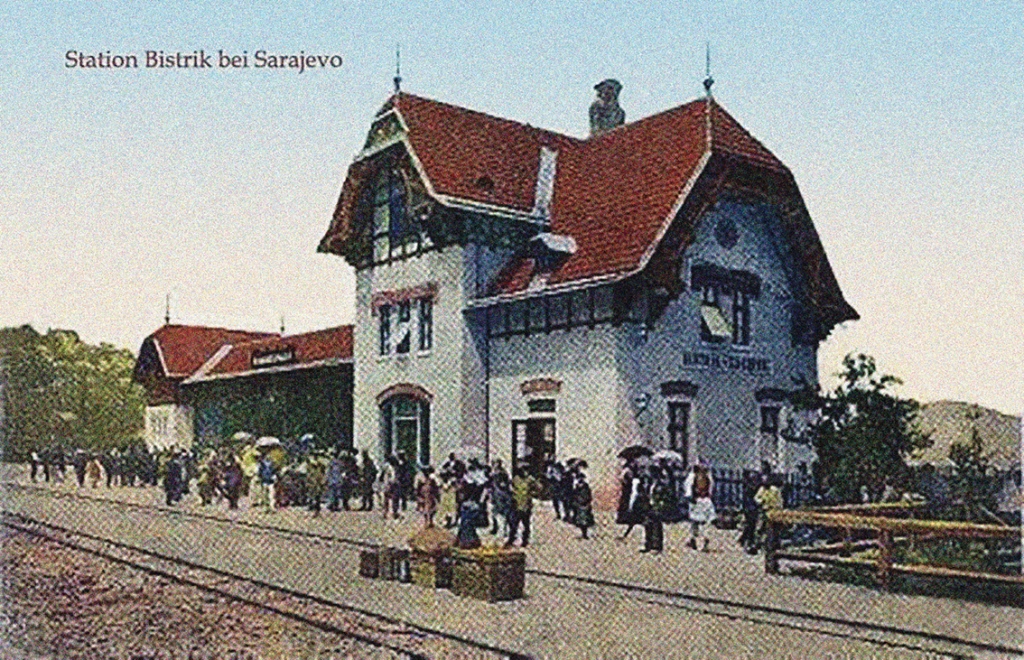
2. Who determines the rules for restoration?
Work on cultural heritage objects cannot be carried out without the supervision of professional institutions.
- institute for the protection of cultural and historical heritage
- licensed conservators
- architects specialized in restoration
- technical supervision by the investor or municipality
Each project must have approval before the start of work, and often a detailed documentation of the existing condition is required.
3. Characteristics of old facades
Old facades differ from modern ones in terms of materials and construction methods.
- walls made of solid brick or stone
- lime mortars instead of cement-based ones
- high vapor permeability
- uneven and handmade surfaces
- decorative architectural elements
Due to these characteristics, every intervention must be carefully planned.
4. Materials used instead of styrofoam
Instead of EPS systems, traditional and compatible materials are used.
4.1. Lime plaster
- high vapor permeability
- compatibility with old walls
- elasticity and resistance to cracking
- natural material without harmful additives
Lime plaster is the primary material in restoration, as it allows walls to regulate moisture.
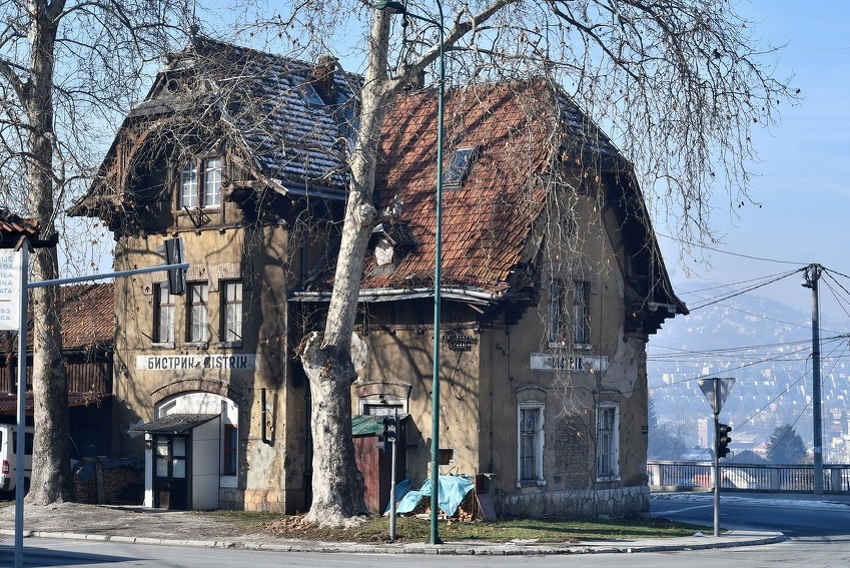
4.2. Natural mortars
- made from natural aggregates
- without cement in high proportions
- retain the authentic appearance of the facade
- suitable for decorative details
4.3. Stone wool (limited application)
- used only where allowed
- high fire resistance
- good sound insulation
- vapor-permeable structure
Stone wool is sometimes used, but only with the consent of conservators and in controlled layers.
5. The process of restoring an old facade
Restoration is carried out in several phases, and each step must be precisely planned.
5.1. Analysis and documentation
- visual inspection of the facade
- moisture testing in the walls
- taking material samples
- architectural documentation of the existing condition
5.2. Removal of damaged layers
- careful removal of unstable mortar
- handwork without heavy machinery
- protection of decorative elements
This step is very sensitive, as the original structure can be easily damaged.
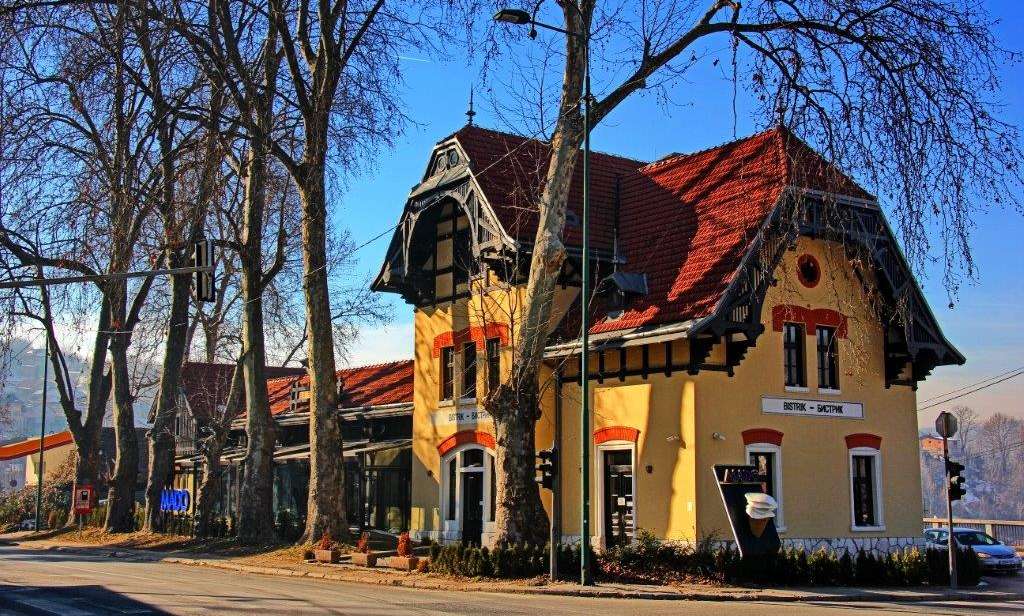
5.3. Wall restoration
- filling cracks with lime mortar
- reinforcing the wall structure
- using compatible materials
5.4. New layer of mortar
- lime-based base layer
- reinforcement where necessary
- final decorative layer
5.5. Final treatment
- natural mineral colors
- matching the original appearance
- hand-finishing details
6. Most common mistakes
- use of styrofoam or EPS systems
- use of cement-based mortars that seal the wall
- ignoring moisture in the walls
- disregard for conservation guidelines
- aggressive mechanization during the removal of the old facade
7. Consequences of improper restoration
Improper restoration can cause serious and often irreversible damage:
- permanent retention of moisture in the walls
- decomposition of the original mortar
- loss of the historical value of the building
- expensive subsequent repairs
8. Benefits of proper restoration
- preservation of cultural and historical value
- long-term stability of the building
- protection from moisture and decay
- preservation of the authentic appearance
- compliance with laws and regulations
9. Conclusion
The restoration of facades on historical heritage buildings requires expertise, patience, and the use of traditional materials. Styrofoam and modern insulation systems are not acceptable, as they compromise the structure and value of the building.
Properly executed restoration allows historical buildings to be preserved for future generations, while maintaining their authenticity and functionality.
Note: For informational purposes only.